
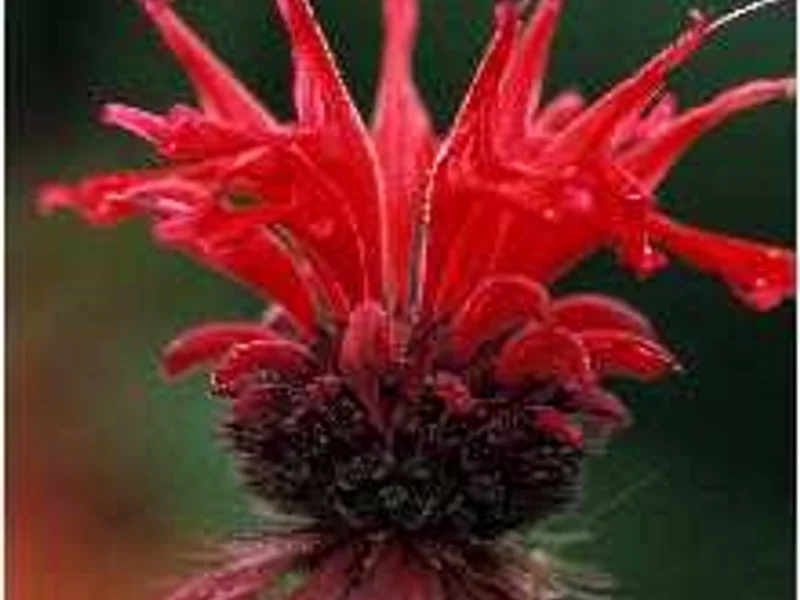
Photos are representative and may not match your specific variety.
Bee Balm
Native wildflower Native wildflower
Monarda didyma
- Full sun
- Zones 4–9
- 300 days to maturity
- Flowers
- 18" spacing
- High water
- Perennial
- pH 6–7
Overview
Semidouble blooms in shades of lavender, salmon, magenta, and pale to bright pinks are useful as cut and edible flowers. Additionally, monarda attracts bees, butterflies, and hummingbirds to the garden. Also known as beebalm, Oswego tea, and scarlet beebalm. Medicinal: Aerial parts in infusions to improve digestion. Leaves and blooms contain thymol-related antibiotic-antiseptic compounds. Perennial in Zones 4-9. Edible Flowers: Add petals to salads, sprinkle over mild fish, use in fruit salads, or to garnish desserts and drinks. Flavor is minty and spicy.
Planting
Surface sow seeds in spring or fall as they need light to germinate. Can start indoors 6-8 weeks before last frost or divide established plants.
Growing
Sun: full. Water: high. Soil pH: 6–7. Space plants 18" apart. Germination: 10-40.
Pests & diseases
Common pests: Aphids, spider mites, stalk borers. Common diseases: Powdery mildew, rust, root rot.